-
Central Axis: A symbol of cultural confidence in capital of great nation
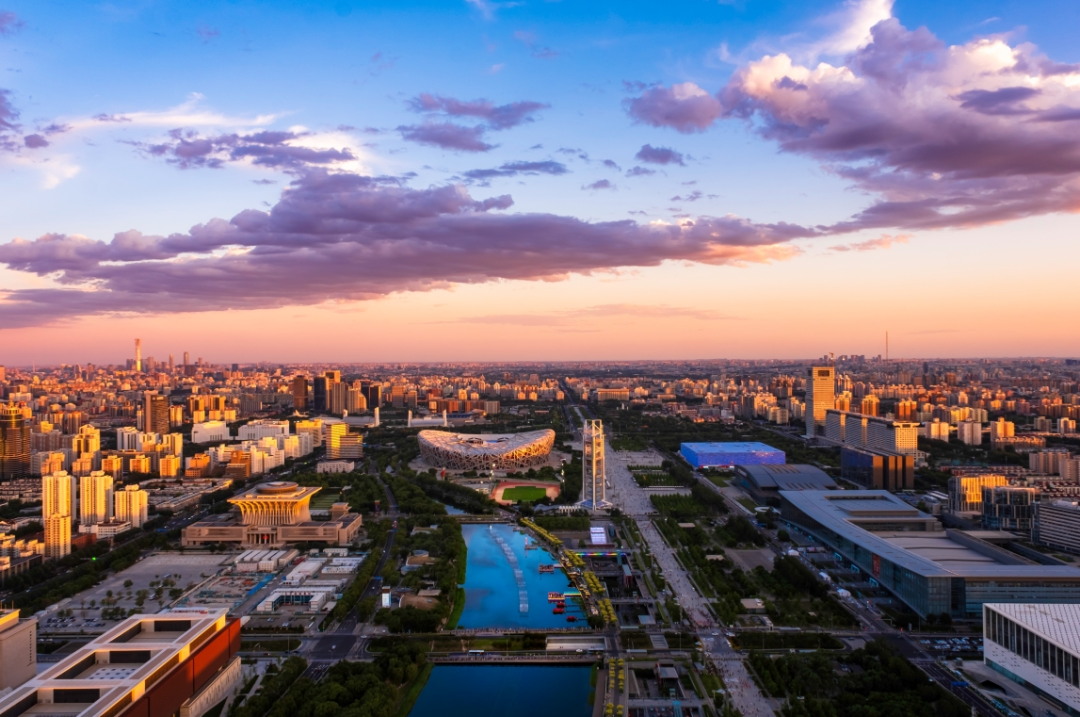
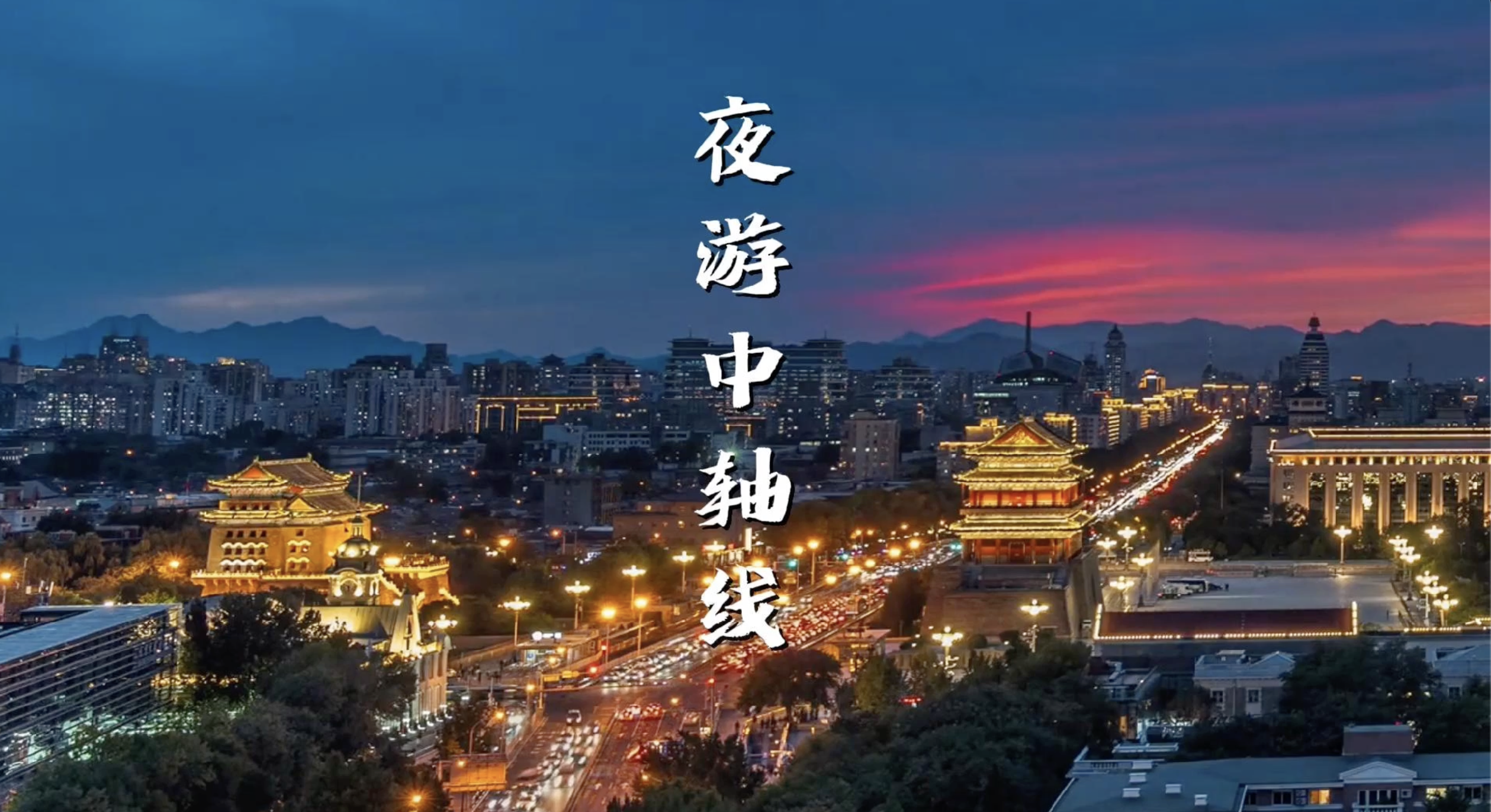
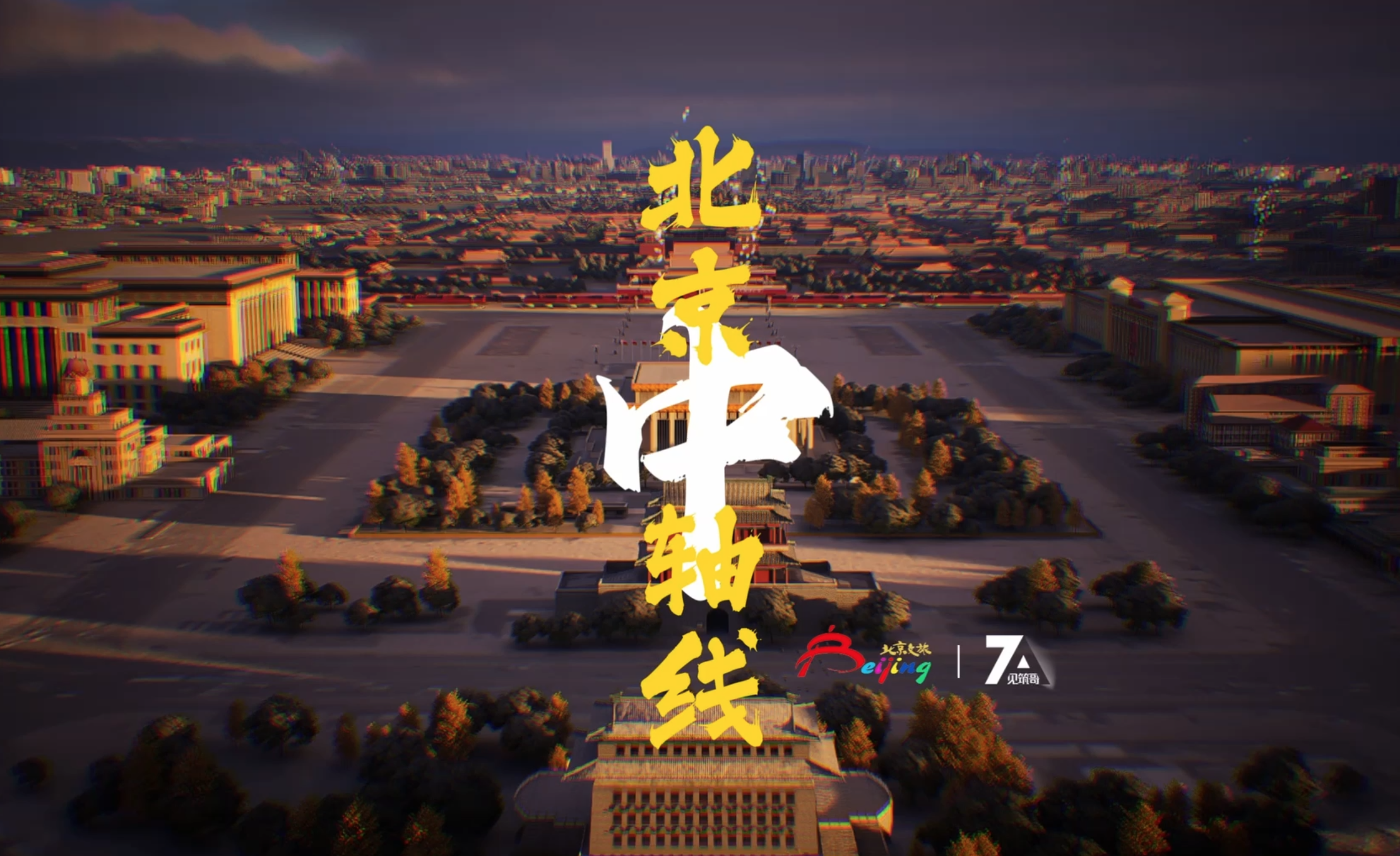
The Central Axis, with its predominantly cultural functions, is a representative area that embodies the cultural confidence of the capital of a great nation.
-
Enjoy unique charm along Beijing Central Axis in free time
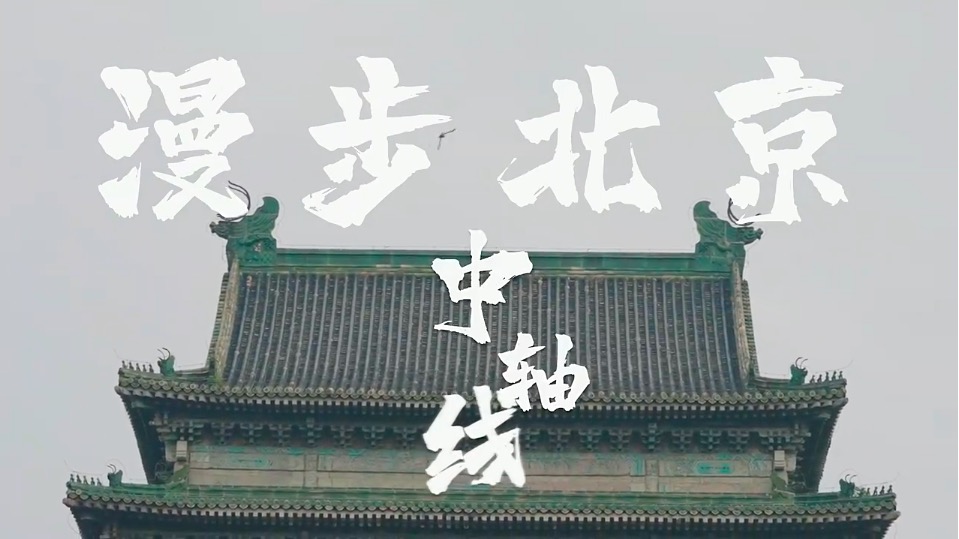
This central axis brings together the essence of ancient urban architecture and also witnesses the changes of Beijing.
-
Exploring ancient and modern architecture along southern central axis imperial road
With the completion of the southern central axis imperial road, let's explore the ancient and modern architecture along this route.
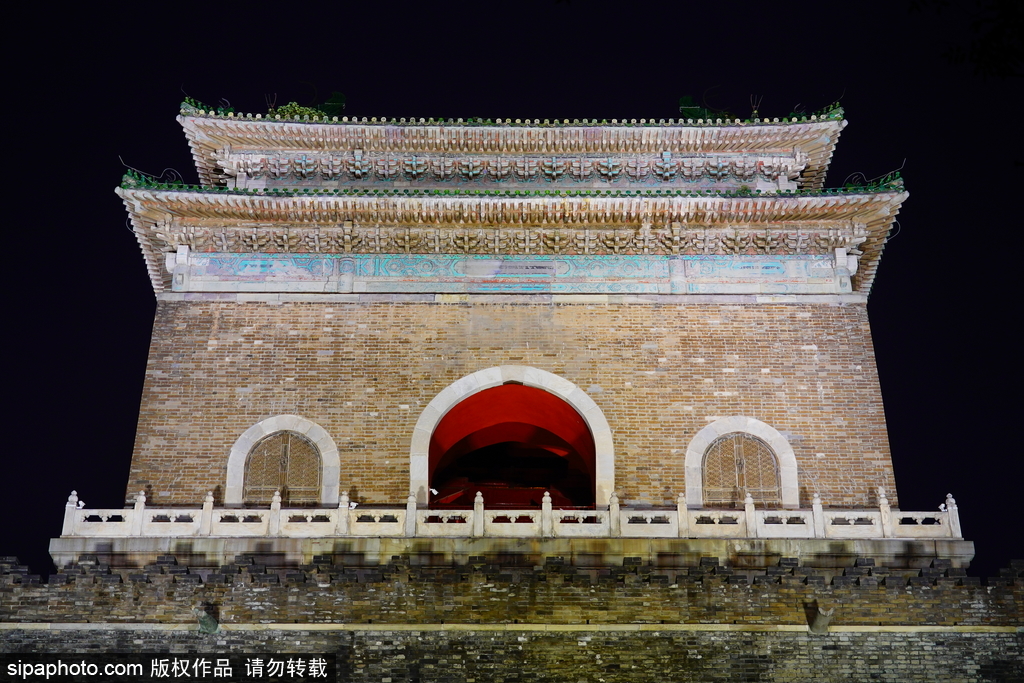
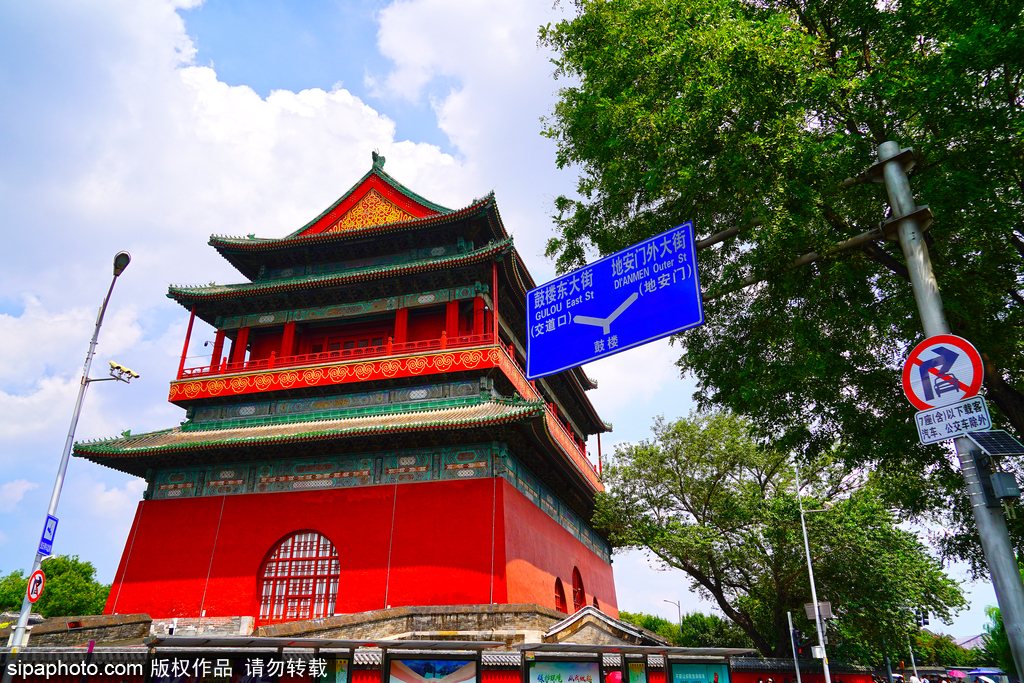
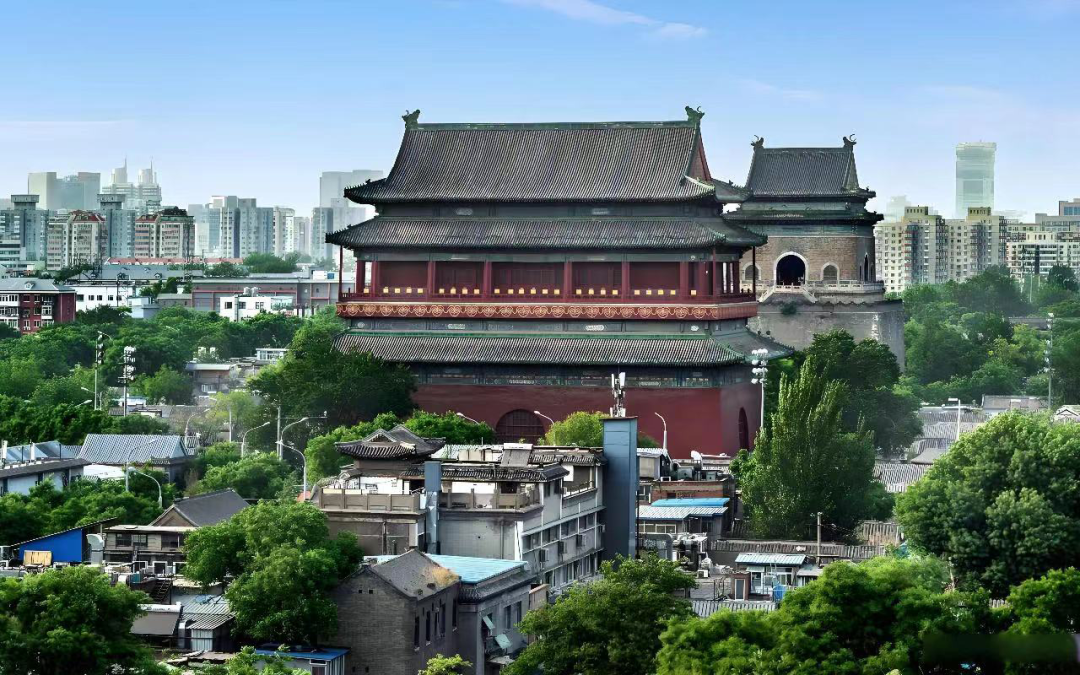
The Bell and Drum Tower is a group of buildings at the northernmost end of Beijing's Central Axis, and was the timekeeping center of the capital of the Yuan, Ming and Qing dynasties. The morning bells and evening drums, the Bell Tower and the Drum Tower complement each other, and are magnificent.
Wanning Bridge is located on the old course of Yuhe River east of Qianhai Lake in Shichahai. It was first built in 1276. It was originally a wooden bridge and later rebuilt into a stone bridge. It is one of the heritage sites of the Grand Canal World Cultural Heritage.
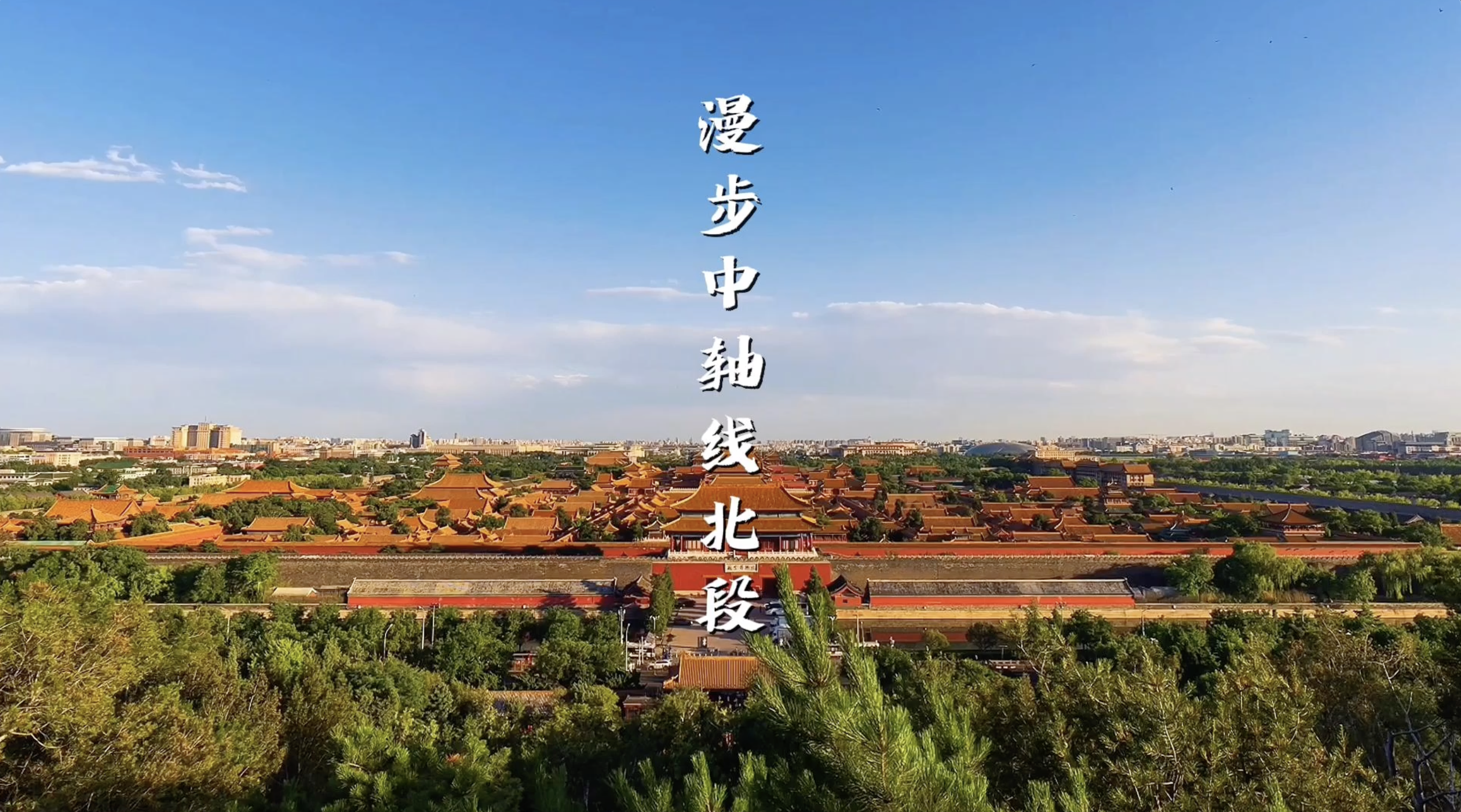
Coming out of the north gate of the Forbidden City and you will find the main entrance of Jingshan Park across the road. Jingshan Park is most famous for its five pavilions, of which the highest one, Wanchun Pavilion, is the center of Beijing.
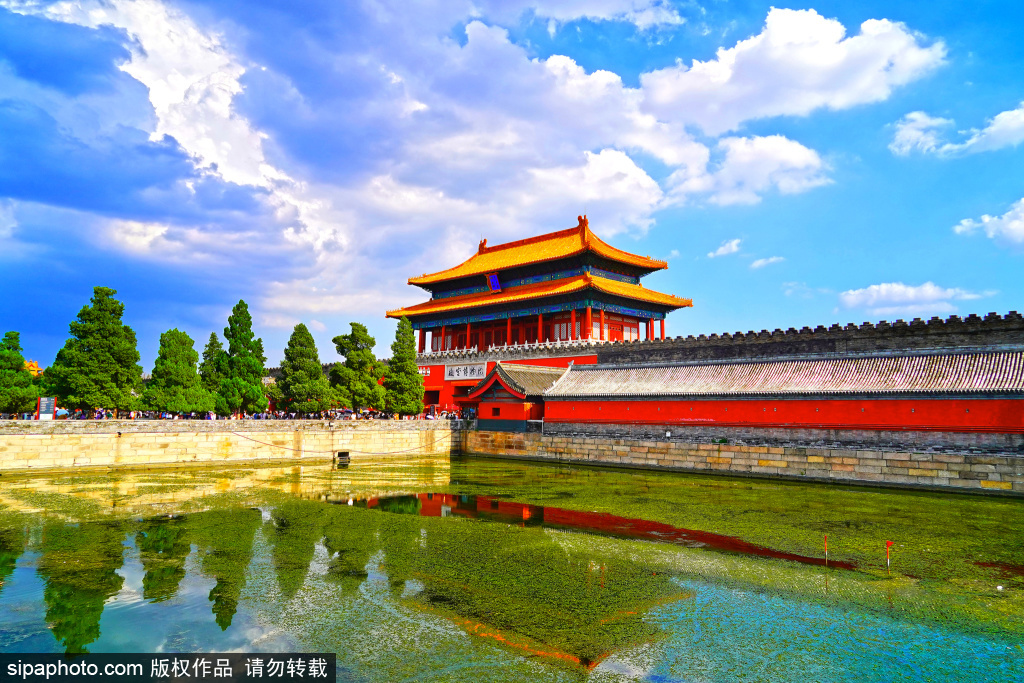
The Forbidden City, established in 1420 and now 600 years old, needs no further introduction. As the top must-visit destination for anyone traveling to Beijing, it remains the number one attraction from the Ming and Qing dynasties. Generally speaking, the 80,000 available reservations are fully booked every day.
The Imperial Ancestral Temple, now known as the Cultural Palace of Nationalities, is located on the eastern side of Tian'anmen Square. It served as the ancestral temple for the Ming and Qing dynasties' royal family and remains a central embodiment of Chinese ancestral worship culture.
Located in Zhongshan Park on the west side of Tian'anmen Square, the Imperial Divine Temple formed a pattern of "ancestors on the left and societies on the right" with the Imperial Ancestral Temple, and was mainly dedicated to the gods of the land and grains during the Ming and Qing dynasties.
The Upright Gate was an essential part of the leading space for ritual activities before entering and exiting the palace city and part of the imperial court. Together with the Tiananmen Gate, the Upright Gate features a towering volume and a solemn style, highlighting dignity and divinity of central axis buildings in the palace city and the imperial city.
The Tian‘anmen Gate was the main front gate of the imperial city during the Ming and Qing dynasties, leading to the palace city and forming a part of the imperial court area. It exhibits the ideal urban planning paradigm of "court in the front and market in the back" as prescribed in the Kaogongji. The Tian'anmen Gate was where the emperors of the Ming and Qing dynasties issued their imperial edicts. It has become a venue for major national events and a carrier of national rituals and stood witness to the end of the over 2,000-year dynastic system and the establishment of the People's Republic of China.
The location of the Outer Jinshui Bridges strictly corresponds to five arched gateways of the Tian'anmen Gate, and south gates of the Imperial Ancestral Temple and the Altar of Land and Grain. The layout, width, and decorative details of the bridges all reflect the planning principle of "choosing the center".
Constructed in the Ming dynasty and extended in the mid-20th century, the Tian'anmen Square Complex is located at the heart of Beijing Central Axis and is an important example of its modern transformation. The square's planning respects and emphasizes the principle of the Axis balance and symmetry. The architecture and landscape of the Tian'anmen Square Complex demonstrate China's efforts in modern times to explore and innovate on the national style in the design of public buildings in the mid-20th century. These interventions reflect important milestones in the progress of urban planning and architecture design in the modern era.
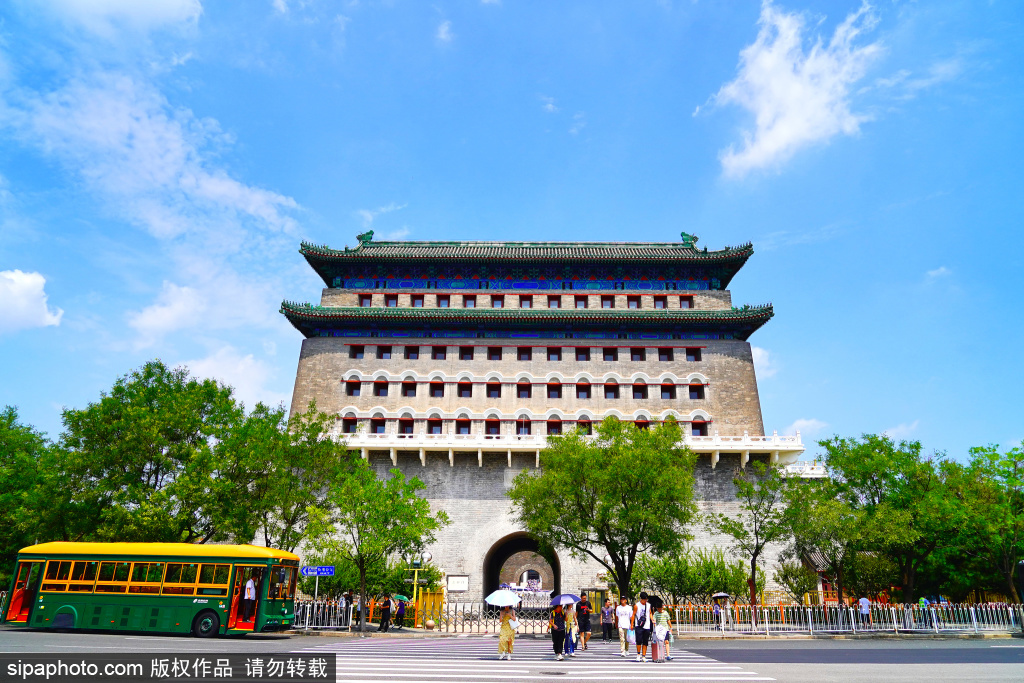
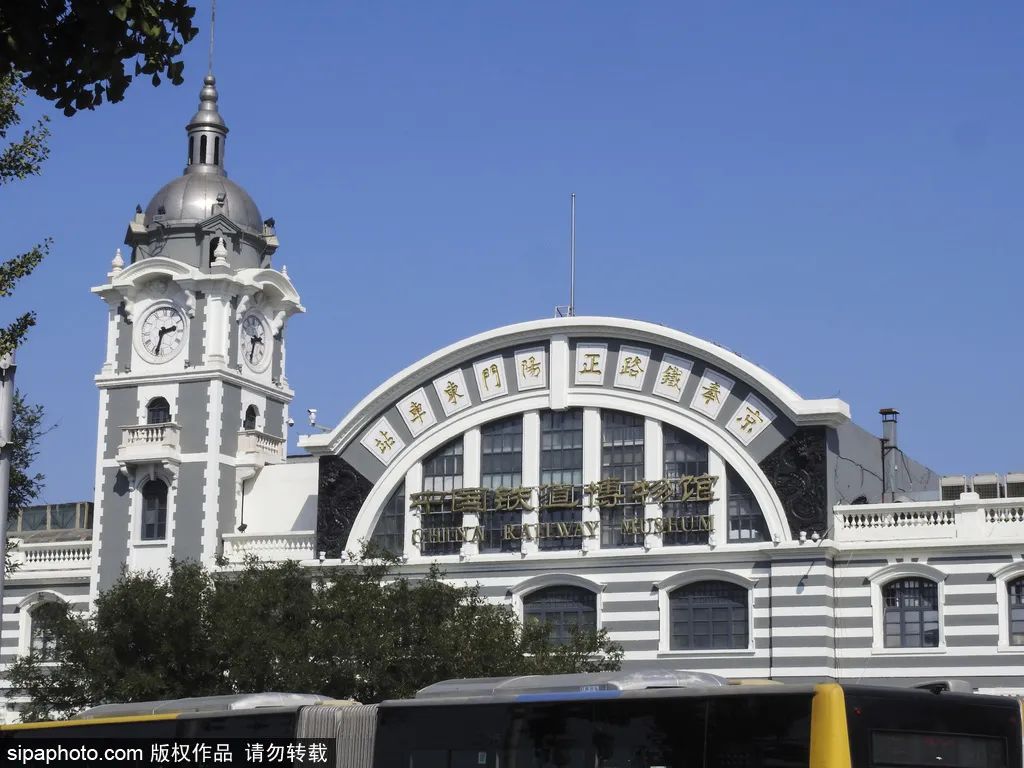
The Zhengyangmen Gate was a city gate complex for defensive purposes and with urban management functions during the Ming and Qing dynasties. As the central south gate of the inner city of Beijing in the Ming and Qing dynasties, the Zhengyangmen Gate is the largest and highest ranked city gate among the gates of Inner and outer cities, and has witnessed the traditional way of urban management in ancient China.
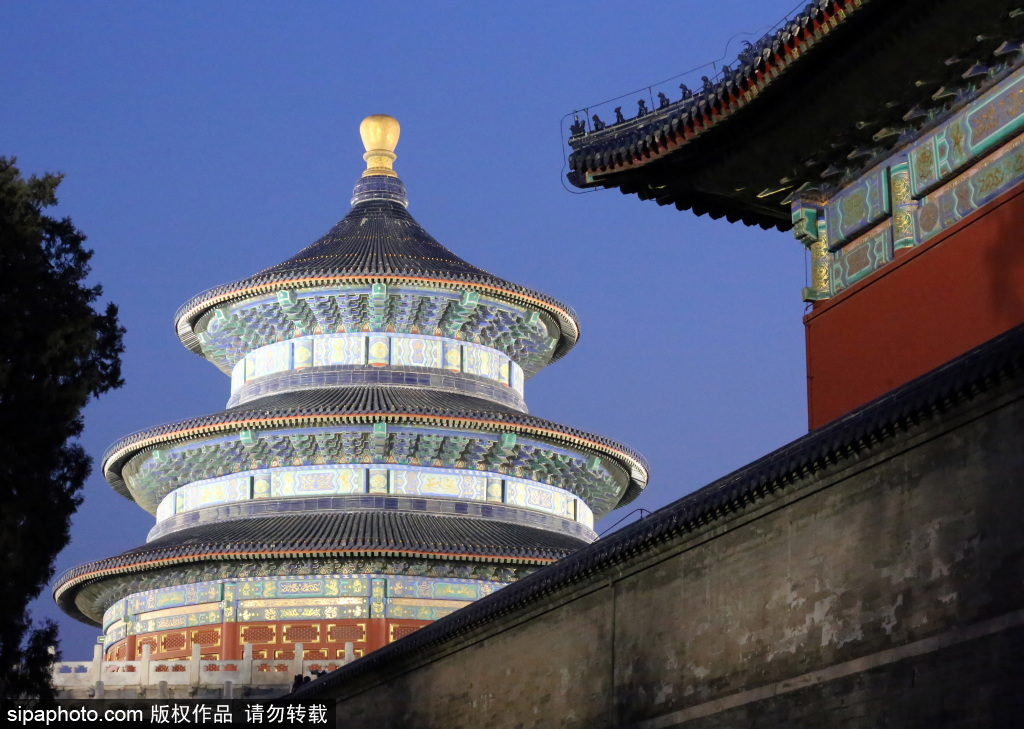
The siting of the Temple of Heaven reflects the ancient Chinese cultural tradition of setting "sacrificial facilities in the southern suburb." Its location, planning pattern, and symmetrical east-west layout with the Altar of the God of Agriculture highlight the respect for and emphasis on rituals and order in Chinese capital city planning. They also give prominence to the dominant role of Beijing Central Axis in urban planning.
The Altar of the God of Agriculture sits west of Beijing Central Axis in symmetry to the Temple of Heaven on the east. This layout highlights the respect for and emphasis on rituals and order in Chinese capital city planning.
The southern section of the central axis roads is a key link between well-arranged urban complexes and public spaces. It was on the route that had to be passed for national rituals and ceremonies during the Ming and Qing dynasties. The Southern Section Road Archeological Sites are the material evidence that irrefutably show the location, orientation, engineering techniques, and history of continuous use of the central roads, bearing witness to the state ritual traditions that has continued on Beijing Central Axis to this day.
The Yongdingmen Gate was the southern portal of the outer city of Beijing during the Ming and Qing dynasties. It is the highest ranked of the seven gates in Beijing's outer city, exhibiting the superior status of the buildings on Beijing Central Axis and providing a unique testimony to the methods of traditional urban management during the Ming and Qing dynasties. It is an essential scenic spot for viewing the landscape of the south section of Beijing Central Axis.